
Drug-resistant nail polish: myth or reality?
The anti-drug nail polish capable of detecting GHB, ketamine, or “date rape drugs” circulated for a long time as a viral idea on social media. The best-known project, Undercover Colors, had raised a lot of hope since 2014.
But to date, there is no reliable, available, and recognized anti-GHB nail polish as an operational prevention solution. However, concrete tools do exist: detection bracelets and cards, glass protectors, breathalyzers, screening tests, and prevention protocols.
Undercover Colors: what really happened?
Undercover Colors is the name of a highly publicized American project: a nail polish that would change color upon contact with certain substances used to facilitate sexual assaults. The idea captured attention because it seemed simple, discreet, and easy to use.
In reality, the nail polish was never marketed in this form. The initial concept was abandoned in favor of another portable test format, closer to a reactive strip than a cosmetic polish. However, the myth of “anti-drug nail polish” continues to circulate on the Internet.
Remember: searching for “anti-drug nail polish,” “anti-GHB nail polish,” or “Undercover Colors” often leads to outdated, incomplete, or misleading content. For real prevention, it is important to prioritize identifiable, available tools accompanied by instructions and suited to the intended use.
Chemical submission: a very real risk beyond just GHB
Chemical submission involves administering a psychoactive substance to a person without their knowledge or under coercion to alter their alertness, memory, ability to consent, or defend themselves. It can occur in various contexts: parties, private settings, events, bars, festivals, meetings, or vulnerable situations.
Contrary to popular belief, chemical submission is not limited to GHB. Different substances can be involved depending on the case: GHB, ketamine, benzodiazepines, alcohol, diverted medications, or other psychoactive substances.
Rapid and hard-to-detect effects
Drowsiness, confusion, disinhibition, memory problems, or loss of consciousness can appear quickly depending on the dose and combinations.
Disorientation and dissociation
Ketamine can cause disorientation, dissociation, motor disorders, and an inability to react normally.
Sedation and amnesia
Some benzodiazepines can cause drowsiness, reduced alertness, confusion, and memory problems.
Important point: the victim is never responsible for their assault. Prevention tools can help, but they should never shift responsibility onto exposed individuals. Responsibility always lies with the perpetrator.
Why does anti-drug nail polish pose a problem?
The detector nail polish concept seems appealing, but it poses several practical, technical, and ethical limits. A prevention tool must be reliable, readable, reproducible, and adapted to real use conditions: low light, colored drinks, alcoholic mixtures, crowds, stress, limited time, or noisy environments.
A prevention tool should never promise total protection.
Detecting a substance in a drink can help alert, but it does not replace collective vigilance, emergency services, victim support, organizer protocols, and the fight against criminal behavior.
Concrete solutions available in France
AMA Prévention offers prevention tools designed for real contexts: parties, festivals, bars, clubs, student events, associations, communities, companies, and awareness campaigns.
Test Ton Verre® Bracelet
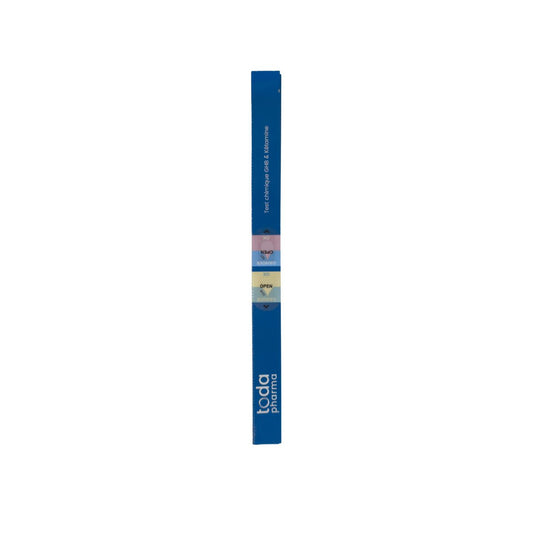
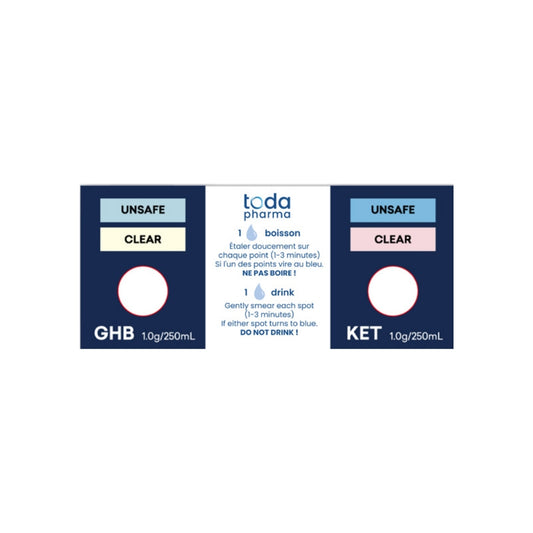
The Test Ton Verre® bracelet is designed to detect GHB and ketamine in a drink under the intended conditions of use. It is worn on the wrist and facilitates distribution at events.
Test Ton Verre® Cards
Detection cards allow testing a drink with a dedicated support. They are useful for prevention actions, depending on availability and version offered.
Glass caps
Glass protectors reduce the risk of non-consensual introduction of a substance into a drink. They provide a simple, visible, and reusable physical barrier depending on the model.
AMA Prévention’s position: bracelets, cards, and glass condoms are complementary tools in a global approach. They must be combined with information, collective vigilance, team training, and a clear procedure in case of malaise or suspicion.
Essential advice to reduce risks during evenings
Effective prevention relies on simple actions but especially on collective organization. Bars, festivals, associations, BDE, and event organizers have a major role to play.
Do not leave a drink unattended
Keep your glass with you, avoid drinks of unknown origin, and stay alert to changes in taste, color, or behavior around you.
Use a drink protection or test
Glass condoms, bracelets, or detection cards can enhance vigilance, provided their limits are known and the instructions are followed.
Never leave a vulnerable person alone
If a person seems disoriented, confused, drowsy, or in danger, accompany them to a safe place and contact emergency services if necessary.
Inform the event teams
Security agents, volunteers, bar managers, VSS contacts, or organizers must be alerted quickly in case of suspicion.
What to do in case of suspicion of chemical submission?
In case of malaise, loss of consciousness, confusion, amnesia, unusual behavior, or suspicion of substance administration, act quickly. Medical care and preserving useful evidence are priorities.
In case of serious doubt, do not wait.
Some substances disappear quickly from the body. The faster the care and sampling, the higher the chances of documenting the facts.
Discover concrete alternatives to anti-drug nail polish
Test Ton Verre® bracelets, detection cards, glass condoms, prevention kits, and event solutions: AMA Prévention supports individuals and professionals with concrete tools against chemical submission.
Frequently asked questions about anti-drug nail polish and chemical submission
Does the Undercover Colors anti-drug nail polish really exist?
The Undercover Colors project did exist, but the drug-detecting nail polish was not marketed in this form. The initial concept was abandoned in favor of other test formats.
Is there a reliable anti-GHB nail polish in France?
To date, there is no anti-GHB nail polish recognized as a reliable and operational prevention solution. Available alternatives are rather based on dedicated supports: bracelets, cards, glass protections, or specific tests.
Do Test Ton Verre® bracelets detect GHB and ketamine?
Yes, Test Ton Verre® bracelets are designed to detect GHB and ketamine in a drink under the specified conditions of use. They must be used according to the instructions.
Does a glass condom completely prevent chemical submission?
No. A glass condom limits the risk of a substance being introduced into a glass, but it does not replace vigilance, support for people, emergency services, or safety protocols.
What should I do if I think I have been a victim of chemical submission?
Keep yourself safe, do not stay alone, contact emergency services if necessary, see a healthcare professional quickly, and report the incident to the police or gendarmerie. Analyses must be done as soon as possible.
Conclusion: concrete tools are better than viral promises
The anti-drug nail polish remains a striking idea, but it is not currently a reliable and available solution to prevent chemical submission. Its popularity mainly shows how much the public is looking for simple ways to protect themselves.
The currently useful tools are those that can be distributed, explained, used, and integrated into a real prevention approach: Test Ton Verre® bracelets, detection cards, glass condoms, information, team training, and emergency protocols.
For AMA Prévention, the priority is clear: to offer accessible, reliable, and complementary solutions, always remembering that the responsibility for an assault always lies with the perpetrator.
Useful sources and references
Sources used for verification: AFP Factuel on Undercover Colors and the abandonment of the nail polish concept in favor of another test format; Service-public.fr on procedures in case of suspected chemical submission; Arrêtons les violences / Government on emergency contacts and victim support; M’endors Pas and Drogues Info Service for help resources. Informative article not replacing individualized medical, legal, or toxicological advice.