#Mendorspas: The Many Facets of Chemical Submission
Medicinal Substances: A Sneaky Weapon
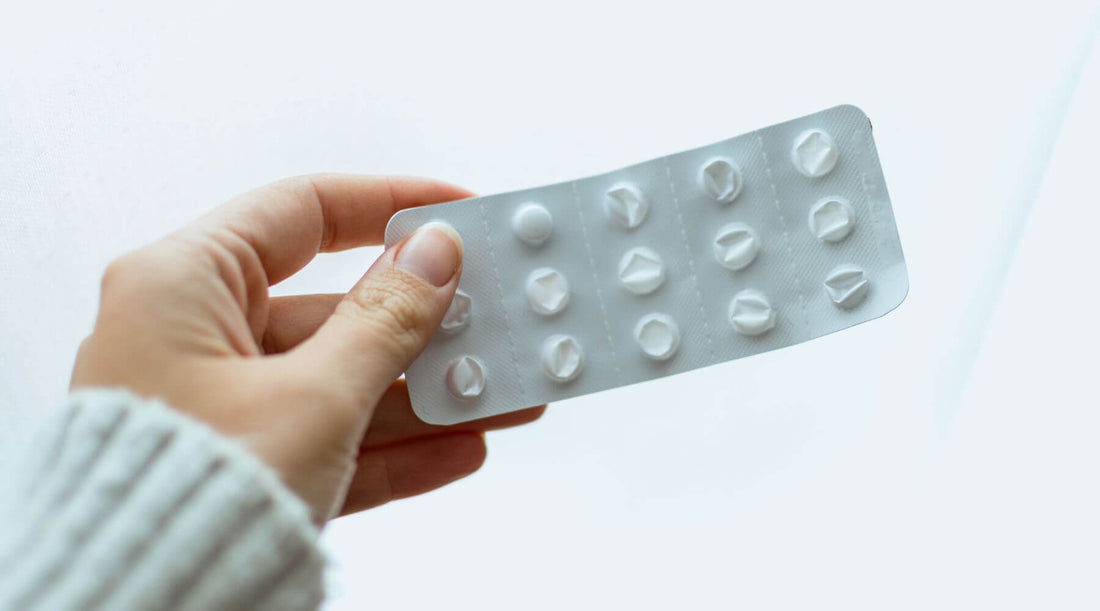
Beyond the notoriety of GHB and illicit drugs, it is medicinal substances that are most frequently used, sometimes with or without a prescription. Anxiolytics, hypnotics, or antiallergics, for example, are often diverted from their therapeutic use for their sedative properties, offering attackers an insidious method to put their victims to sleep. Besides their ability to induce deep sleep, these medications can also cause amnesia, erasing memories of the assaults suffered.
Variety of Assaults: Beyond Sexual Violence
These assaults are not limited to sexual violence such as marital or incestuous rape but also include acts of theft, inheritance extortion, physical violence, abuse, and even human trafficking.
Easy Supply: The Use of Family Medicine Cabinets
Storing these medications in family medicine cabinets provides an easy supply source for attackers, who use various means to drug their victims.
The Dangerous Routine: Repeated Administration of Medication
This repeated or prolonged administration of medication without the victims' knowledge creates a dangerous routine, seriously endangering their health.
The Concealment of Chemical Submission in the Private Sphere
While the breaking of silence has highlighted assaults facilitated by drugs in party environments with movements like #BalanceTonBar, chemical submission in the private sphere often remains hidden.
Public Health Issue: Risks and Consequences
Yet, this form of violence is a major public health issue. In addition to serious health risks such as falls, comas, or unwanted pregnancies, prolonged exposure to these substances can cause a multitude of neurological disorders, sleep disturbances, and even traffic accidents.
The Path to Recognition: Increasing Medical Consultations
Faced with these symptoms and the lack of awareness of the violence suffered, many victims end up having multiple medical consultations in search of an elusive diagnosis.
Specialized Care: The Importance of Breaking the Silence
The psychological impact of becoming aware of this violence is considerable and requires specialized care. It is essential to break the silence around this form of violence in order to better protect individuals from its insidious dangers and devastating consequences.
Chemical Submission: An Unknown Threat That Affects All Profiles
Chemical submission, a silent scourge affecting many victim profiles, remains largely unknown and underestimated in France. Women, sometimes men, but also children, infants, and even elderly people are targeted, regardless of their social background.
This insidious phenomenon is characterized by the administration of psychoactive substances without the victims' knowledge or under threat, with the aim of committing crimes or offenses. Contrary to popular belief, chemical submission is not limited to the use of GHB, often called the “date rape drug.” The substances used are mainly medications such as sleeping pills, sedatives, anxiolytics, or antihistamines, among others.
It is important to emphasize that chemical submission is not limited to festive environments. According to the latest national survey conducted by the National Agency for the Safety of Medicines and Health Products (ANSM), close circles, whether family, professional, or friendly, are often involved in these assaults. The victims are generally vulnerable people, sometimes mistreated or abused, and this repeatedly and over a prolonged period.
As in other forms of assault within close circles, victims of chemical submission often find themselves trapped by control and fear of social and family consequences. In this context, the difficulty in clearly remembering events and perpetrators, as well as the lack of awareness of symptoms, further complicates the recognition of their victim status.
As for the exact number of chemical submission victims in France, it remains difficult to establish due to the low prosecution rate of cases and obstacles related to evidence collection. However, an annual prospective vigilance survey conducted by the ANSM since 2003 monitors the criminal use of psychoactive substances and profiles victims and their attackers. This survey reveals a diversity of victim profiles, ranging from women to men, children to the elderly, all potentially exposed to this type of assault.
It is urgent to raise public awareness about this issue and to strengthen prevention and victim care measures. Only collective mobilization can effectively fight this scourge and provide support and justice to those affected by chemical submission.
A Strong Political Commitment: Sandrine Josso and #MendorsPas united against Chemical Submission
The commitment of Sandrine Josso, deputy of Loire-Atlantique, alongside the association #MendorsPas, demonstrates a strong political will to fight against chemical submission in the private sphere. In partnership with this association, the goal is to concretely improve the care of victims of this insidious scourge. #MendorsPas has made it its mission to raise public awareness about this issue and to provide essential information on chemical submission, while organizing prevention and protection actions. From a public interest perspective, the association places great importance on universal access to its activities, maintaining a non-profit, secular, and non-partisan character. This initiative is the result of the eponymous movement started by Caroline Darian, supported by committed personalities such as Dr Ghada Hatem-Gantzer, Dr Leila Chaouachi, Arnaud Gallais, and Arielle Schwab. Together, they work to make the victims' voices heard and to implement concrete measures aimed at preventing and combating chemical submission in our society.
An online petition is available at this link:
Don't leave victims of chemical submission in a black hole
Precautions to Take in Case of Confirmed or Suspected Assault:
In the case of confirmed or suspected assault, it is crucial to take certain precautions to preserve elements that may serve the investigation and your medical care.
- Keep the suspected vector or vectors, such as drinks or food, that may have been contaminated by chemical substances.
- Also keep any suspected chemical submission agent, whether a product or medication, to facilitate later analysis.
- Preserve your hair, as chemical submission agents are quickly eliminated from blood and urine but can be detected in hair for a longer period. Avoid cutting, dyeing, bleaching, or applying harsh treatments to your hair.
All these elements will be valuable if you choose to file a complaint. For more information or help, you can contact the Paris Addictovigilance Center at 01 40 05 42 70, Monday to Friday from 9 a.m. to 6 p.m.
Whatever your decision, it is essential to consult a health professional, especially in case of sexual assault. This will allow assessment of risks, such as unwanted pregnancy or sexually transmitted infection. Free centers for information, screening, and diagnosis (CEGIDD) are available for specialized consultations.
Coralis Unit of the Maison des Femmes de Saint Denis (93)