Chemical submission: an unknown scourge denounced by Sandrine Josso
Share
Last November 14, the Modem deputy from Loire-Atlantique, Sandrine Josso, experienced a traumatic event during what was supposed to be a festive evening. A victim of chemical submission, she spoke at the National Assembly on January 16 to raise awareness among the government and the public about this still largely unknown scourge.
An Urgent Call to Action
In her return to the Hemicycle, Sandrine Josso called on the government to act quickly to shed light on this phenomenon and help the many victims. In an interview with France 3 Pays de la Loire, she shared her personal experiences and advocated for the official recognition of chemical submission.
"Post-traumatic stress is a daily struggle," Josso admits. Its aftereffects include nausea and palpitations, but she is working with a psychologist to overcome these obstacles, although the road is long.
Understanding Chemical Submission
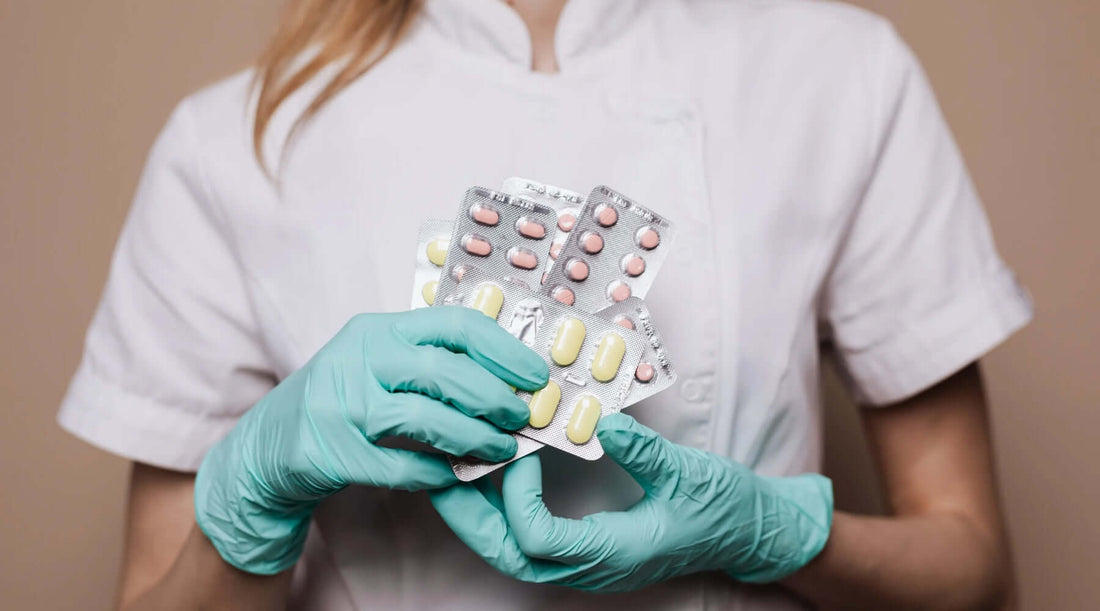
Sandrine Josso explains that chemical submission often relies on the misuse of common medicationsFrom antihistamines to sleeping pills, these substances, combined with alcohol or given in high doses, can have serious consequences:
-
Food manipulation: Spouses or close relatives hide high doses in food or drinks, causing amnesia in the victim.
-
Intrafamilial abuse: Some parents use substances on their children for malicious purposes.
This phenomenon goes beyond physical and psychological submission, highlighting the need to raise awareness and take action to prevent these abuses.
A Necessary Fight for Prevention
At the National Assembly, Sandrine Josso actively works to promote preventive measures. Her commitment reflects a growing awareness by the government and Parliament regarding this alarming phenomenon. However, much remains to be done to protect victims and educate the public.
The Role of Saliva and Urine Tests
Screening tests play a crucial role in recognizing cases of chemical submission. These tools detect the presence of toxic substances or diverted medications in the body. Here is how they contribute:
-
Accurate detection: Saliva and urine tests reveal traces of substances such as hypnotics or benzodiazepines administered without the victims' knowledge.
-
Tangible evidence: These analyses provide key clues to establish a link between the victim's symptoms and the impairing substances.
-
Facilitating legal proceedings: Test results serve as evidence to potentially initiate legal actions against perpetrators.
"Screening test technology is an essential tool in the early recognition of victims," emphasizes Josso, reaffirming their importance in medical and judicial care.
Towards Collective Awareness
Chemical submission, denounced by Sandrine Josso, remains an insidious threat that requires collective mobilization. Between public awareness, active prevention, and the use of screening technologies, it is crucial to strengthen efforts to protect victims and prevent these acts.
To learn more about prevention and screening tools, see the solutions offered by AMA Prevention.
💡 Practical information on screening
During a road check, the gendarmerie saliva test is commonly used to detect the presence of drugs. Many wonder about how long the gendarmerie saliva drug test stays positive: it depends on metabolism, but THC remains detectable for several hours to a few days. The gendarmerie THC saliva test (or gendarmerie saliva THC test) specifically targets recent cannabis use.
To promote prevention at home or in the workplace, performing a THC saliva test (also called saliva THC test) is an excellent approach. If you are looking to equip yourself, you might wonder where to buy an equivalent gendarmerie saliva test? Although it can sometimes be difficult to find a THC saliva test at a pharmacy, you can order our professional devices directly online.
🚨 Road Safety Reminder
Driving under the influence of drugs is severely punished by law. Plan ahead with a reliable self-test before getting behind the wheel.